Best Music Distribution Services in 2025 — The Good, The Bad & The Ugly
Not all music distributors are equal. Some take a cut of your earnings, some limit your audio quality, and only a few are genuinely transparent about what you are getting. Here is an honest breakdown.
Why Your Choice of Distributor Matters More Than You Think
Most independent artists spend months writing, recording, and refining a track — and then make the distribution decision in five minutes. That is a mistake. The distributor you choose affects your audio quality on streaming platforms, the percentage of royalties you keep, how quickly your music goes live, and how much visibility you get on the platforms themselves.
This comparison covers the four most commonly used distributors: TuneCore, DistroKid, LANDR, and CD Baby. The goal is to give you an honest picture of what each one actually delivers — not just the marketing copy.
The Most Important Thing Before You Upload: File Format
Before comparing distributors, there is one technical point that affects every platform and every release. Always submit WAV files, not MP3s.
MP3 compression removes audio information that cannot be recovered. High frequencies get softened, transients lose their punch, and subtle details like reverb tails and stereo width can be noticeably affected. The track you carefully mixed and mastered will sound different — and worse — on every platform it lands on.
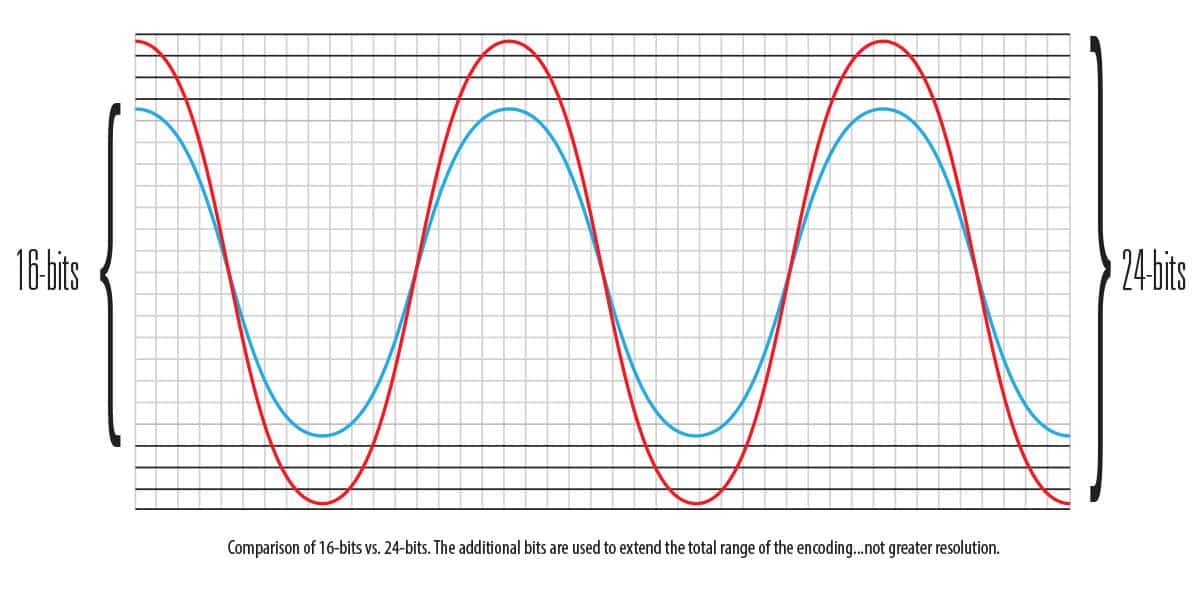
The standard to aim for is a 24-bit WAV file at 44.1kHz or 48kHz, depending on the sample rate used during recording. If you are planning a Dolby Atmos release, 48kHz is preferable. For CD releases, 16-bit 44.1kHz is required by the format itself.
Quick Comparison
| Distributor | Price | Royalties | WAV Upload |
|---|---|---|---|
| TuneCore | $14.99/year | 100% | ✓ |
| DistroKid | $22.99/year | 100% | ✓ |
| LANDR | $143/year | 100% | Pro only |
| CD Baby | $9.99/release | 91% | 16-bit only |
TuneCore — Reliable, Transparent, Recommended
TuneCore has been operating since 2006 and has built a consistent reputation among independent artists. The key advantages are straightforward: 100% of royalties go to the artist, WAV file upload is supported, and the analytics dashboard gives genuinely useful data on streams, downloads, and earnings by territory.
Distribution speed is one of TuneCore's strengths — Apple Music typically within one to two days, Spotify within two to five. For artists with tight release schedules, this reliability matters. The annual fee model means no surprises in terms of earnings — what comes in from the platforms goes directly to you.
Verdict: The most dependable option for artists who prioritise audio quality, transparency, and complete royalty ownership.
DistroKid — Best Value for Frequent Releases
DistroKid charges $22.99 per year for unlimited releases — making it exceptionally cost-effective for artists who release music regularly. The distribution speed is comparable to TuneCore, WAV files are supported, and features like automatic split payments for collaborators and Spotify verification are practical additions.
The main caution with DistroKid is their upselling approach. Many of the add-ons presented during the upload process are optional and not necessary for most releases. It is worth reading carefully before adding anything to avoid paying for features that do not serve your specific workflow. Customer service response times have also been a complaint from some artists.
Verdict: The most economical choice for artists releasing frequently. Read carefully before adding any extras.
LANDR — Convenient but Expensive and Inconsistent
LANDR markets itself on the combination of AI mastering and distribution in one platform. The distribution side works adequately — two to seven days to most platforms. The AI mastering side is where problems arise.
AI mastering produces inconsistent results. On some material it generates a reasonable starting point. On others it creates tonal imbalances, over-compressed dynamics, or artefacts that require significant correction. For a track that has been professionally mixed, submitting it to AI mastering before distribution introduces a step that is more likely to harm the sound than improve it.
The pricing also requires scrutiny. The basic plan at $99 per year only supports MP3 distribution — meaning your carefully mastered WAV file gets converted before it reaches streaming platforms. WAV distribution requires the $143 per year tier.
Verdict: Not recommended if audio quality is a priority. The pricing is high for what is delivered, and the basic plan actively degrades your audio.
CD Baby — Legacy Platform with Growing Limitations
CD Baby was the go-to independent distributor for many years, particularly valued for its support of physical formats — CDs and vinyl. That remains a genuine strength for artists releasing physical product.
For digital-only releases in 2025, the picture is less positive. CD Baby accepts only 16-bit 44.1kHz WAV files — regardless of the quality of your original master. Any 24-bit or 48kHz files need to be converted before upload. Approval times can reach ten business days without paying for expedited service. And unlike TuneCore and DistroKid, CD Baby takes 9% of streaming and download revenue plus 15% of publishing royalties through their pro publishing feature.
Verdict: Still relevant for physical releases. For digital-only distribution, the revenue share and audio quality limitations make it a less competitive option.
Final Recommendations
Best overall: TuneCore — reliable, transparent, full royalties, supports WAV
Best for frequent releases: DistroKid — unlimited uploads, affordable annual fee
For physical releases only: CD Baby — still relevant for CD and vinyl distribution
Avoid if audio quality matters: LANDR basic plan — MP3 distribution only at the entry price
Ready to release? Make sure your master is ready first
A professional master ensures your track sounds its best on every platform — regardless of which distributor you choose. First consultation is always free.
Get in Touch →Want your track to sound like this?
Send it in and get a free preview — hear the difference on your own song before you pay anything.
Get a free preview →